
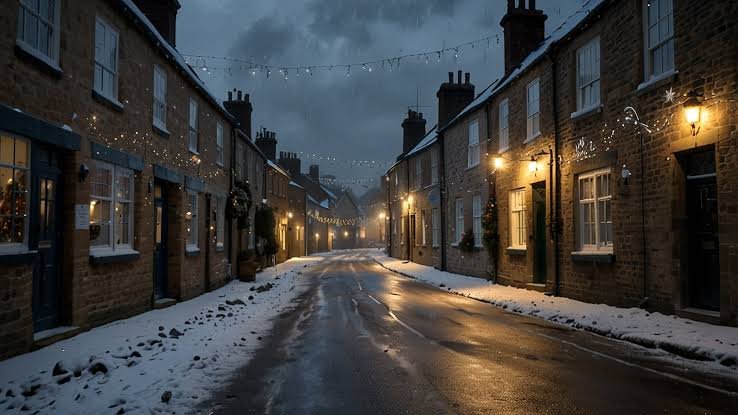
Winter weather always captures public attention, but this year, reports that the UK braced for significant snowstorm bringing potential White Christmas have created even greater excitement. Meteorologists are closely monitoring weather systems that could deliver widespread snowfall across several parts of the country. While snowfall predictions can change quickly, the possibility of a festive white landscape has sparked discussions among families, travelers, and businesses alike.
The combination of colder Arctic air and moisture from the Atlantic often creates ideal conditions for snow across the United Kingdom. Although not every region is expected to experience the same conditions, many residents are already preparing for icy roads, freezing temperatures, and possible disruptions during one of the busiest travel periods of the year.
| Quick Facts | Details |
|---|---|
| Event | Potential Major UK Snowstorm |
| Expected Season | Winter |
| Main Concern | Heavy Snow, Ice, Strong Winds |
| Possible Outcome | White Christmas in Some Regions |
| Most Affected Areas | Scotland, Northern England, Higher Ground |
| Travel Impact | Possible Road, Rail, and Flight Delays |
| Safety Advice | Prepare Early and Monitor Weather Updates |
Why the UK Braced for Significant Snowstorm Bringing Potential White Christmas
The United Kingdom experiences different weather patterns throughout winter, but not every cold spell produces heavy snow. A White Christmas depends on the right combination of freezing temperatures, atmospheric pressure, and moisture moving across the country. Even slight changes in these conditions can dramatically alter snowfall totals.
Weather experts believe that colder air arriving from northern Europe or the Arctic may interact with Atlantic weather fronts. When these systems collide, snowfall becomes more likely, particularly across elevated regions. This is why forecasts receive frequent updates as meteorologists refine their models.
What Creates a White Christmas?
A White Christmas traditionally means that at least one snowflake is officially observed falling on Christmas Day at designated weather stations. Many people imagine thick blankets of snow covering streets and rooftops, but the official definition is actually much simpler.
Nevertheless, heavy snowfall remains the dream scenario for many families. Snow-covered villages, parks, and countryside create a festive atmosphere that has become closely associated with holiday traditions across Britain.
Regions Most Likely to See Snow
Northern Scotland typically has the greatest chance of receiving snowfall during winter. Mountainous regions remain colder for longer periods, making snow more likely than rain during passing weather systems.
Northern England, the Pennines, and parts of Wales may also experience accumulating snow when temperatures remain below freezing. Higher elevations usually receive the deepest snow, while lower areas often see a mixture of rain and sleet.
Southern England generally has a lower chance of significant snowfall. However, during particularly cold outbreaks, even southern counties have witnessed memorable snow events that disrupted transportation for several days.
How the Snowstorm Could Affect Daily Life
If forecasts continue pointing toward severe winter weather, commuters may experience slower journeys and increased traffic delays. Snow-covered roads reduce visibility and make driving considerably more challenging for both experienced and new drivers.
Public transportation could also experience interruptions. Rail services sometimes reduce speeds during icy conditions, while airports may temporarily suspend flights to clear runways and ensure passenger safety.
Schools and workplaces often prepare contingency plans during major winter events. Remote working arrangements have become increasingly common, allowing many businesses to continue operating despite hazardous travel conditions.
UK Braced for Significant Snowstorm Bringing Potential White Christmas and Travel Plans
Holiday travel is always busy during late December, making winter storms particularly disruptive. Families visiting relatives or heading on holiday should monitor forecasts regularly before beginning their journeys.
Drivers should expect possible congestion, especially on motorways connecting major cities. Snowplows and road treatment vehicles work continuously during severe weather, but heavy snowfall can still create temporary closures.
Passengers traveling by train or plane should remain flexible. Transport operators frequently provide live service updates that help travelers adjust schedules before leaving home.
Preparing Your Home Before Heavy Snow
Homeowners benefit from preparing well before temperatures begin to fall. Checking heating systems early reduces the risk of unexpected breakdowns during freezing weather.
Pipes exposed to extremely cold temperatures should be insulated whenever possible. Frozen pipes can burst, causing expensive water damage and significant inconvenience during the holiday season.
Keeping emergency supplies available is another sensible precaution. Torches, batteries, bottled water, blankets, and non-perishable food items can prove valuable during extended periods of severe weather.
Essential Winter Driving Tips
Winter driving requires additional caution even when roads appear clear. Black ice often forms overnight and remains difficult for motorists to detect until braking becomes necessary.
Drivers should reduce speed, increase following distance, and avoid sudden steering movements. Gentle acceleration and braking improve vehicle control on slippery surfaces.
Maintaining a winter emergency kit inside the vehicle is equally important. Warm clothing, a phone charger, drinking water, and a flashlight provide extra security if unexpected delays occur.
How Businesses Prepare for Snowstorms
Retailers often experience increased demand for winter supplies whenever snow is forecast. Supermarkets usually see higher sales of groceries, bottled water, and household essentials before major storms arrive.
Construction companies may temporarily suspend outdoor work where heavy snowfall creates unsafe conditions. Delivery services also adjust schedules to protect drivers and customers.
Hospitality businesses located in snowy tourist destinations sometimes benefit from increased visitor numbers. Hotels and winter attractions often welcome travelers hoping to enjoy seasonal scenery.
Could Climate Change Influence Winter Snowfall?
Climate scientists explain that global warming does not completely eliminate snowstorms. Instead, changing weather patterns may create greater variability between mild winters and occasional severe cold events.
Warmer oceans increase atmospheric moisture, which can contribute to heavier snowfall when temperatures remain below freezing. This means individual snowstorms can still become quite significant despite long-term warming trends.
Researchers continue studying how changing climate conditions influence winter weather across Europe. Seasonal forecasting remains an evolving science with many interacting atmospheric factors.
Historical White Christmas Events in the UK
Britain has experienced several memorable Christmas snowfalls throughout history. Some winters brought widespread disruption, while others created picturesque holiday scenes remembered for generations.
The winters of 1963, 1981, and 2010 remain among the most notable cold periods in modern British history. Heavy snowfall affected transportation, schools, and businesses across large areas of the country.
Although such events are relatively uncommon, they demonstrate that significant snowfall remains entirely possible under favorable atmospheric conditions.
Weather Forecasting Has Improved Significantly
Modern forecasting technology allows meteorologists to monitor developing weather systems with remarkable precision. Satellites, radar networks, computer simulations, and atmospheric observations contribute to increasingly reliable predictions.
Forecast accuracy generally improves as significant weather events draw closer. This is why weather agencies regularly update snowfall projections several days before storms arrive.
Despite these technological advances, weather remains naturally unpredictable. Small atmospheric changes can shift snowfall patterns by many miles within only a few hours.
Staying Safe During Severe Winter Weather
Residents should regularly check trusted weather forecasts during periods of unsettled winter conditions. Understanding local warnings helps families prepare before severe weather arrives.
People are encouraged to avoid unnecessary travel whenever dangerous snow or ice warnings are issued. Remaining indoors during the worst conditions greatly reduces accident risks.
Checking on elderly relatives, neighbors, and vulnerable community members is another important part of winter preparedness. Simple acts of assistance can make a significant difference during prolonged cold spells.
Conclusion
The possibility of the UK braced for significant snowstorm bringing potential White Christmas continues to generate excitement across the country. While forecasts may still evolve as Christmas approaches, many regions could experience colder temperatures, snowfall, and challenging travel conditions if current weather patterns develop as expected.
Whether the country experiences a classic White Christmas or only scattered snowfall, preparation remains the best strategy. Staying informed, planning ahead, and following official weather guidance can help families enjoy the festive season safely while making the most of Britain’s spectacular winter scenery.
REad more: Jennifer Welch Net Worth: A Look at Her Career, Income, and Financial Success