
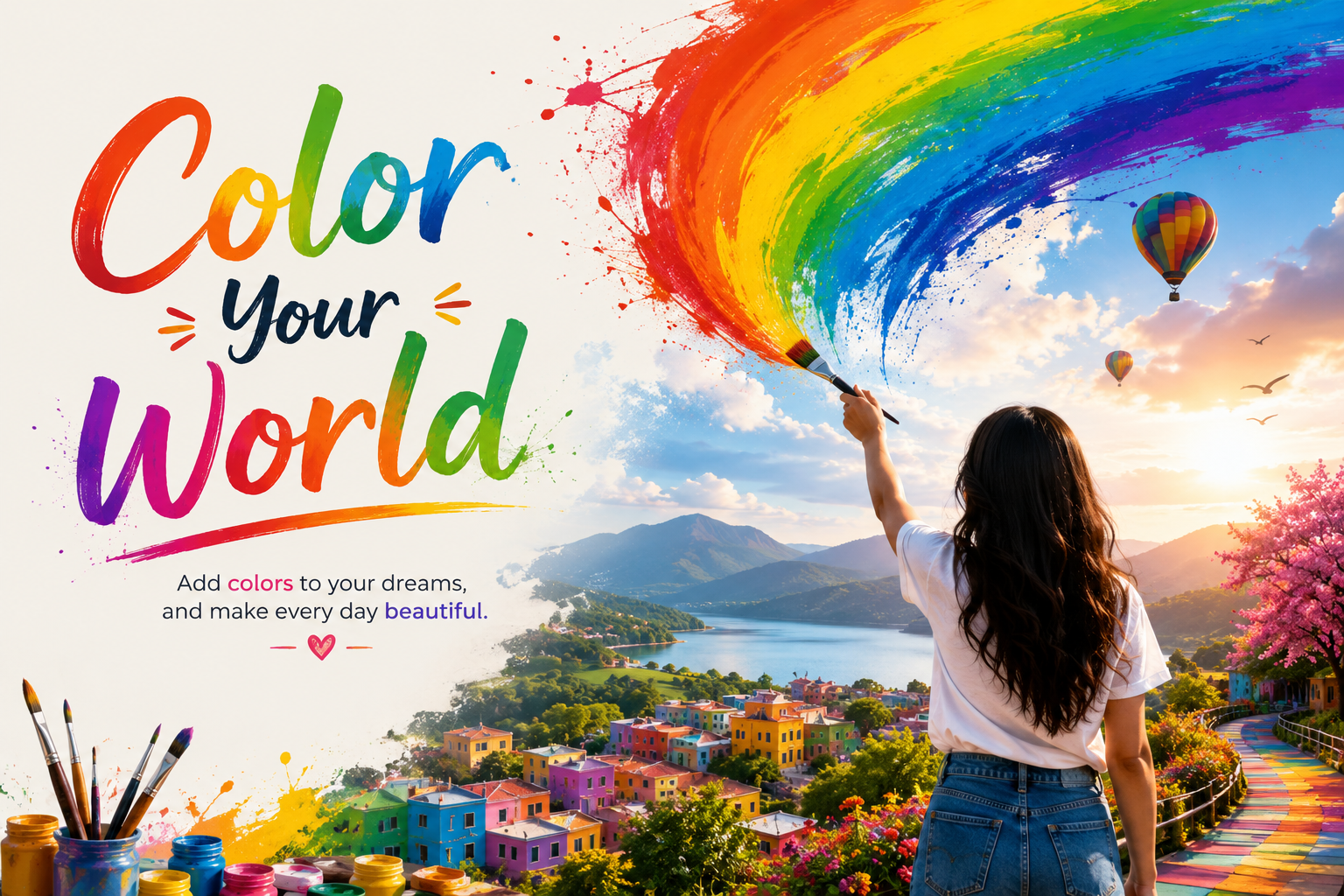
Color surrounds us every single day, often influencing our thoughts, emotions, and decisions without us even realizing it. From the clothes we wear to the walls of our homes, colors have the remarkable ability to shape our experiences and express our personalities. The phrase Color Your World goes far beyond simply choosing attractive shades. It represents a lifestyle that embraces creativity, positivity, and self-expression in every aspect of life.
Whether you are redesigning your living space, refreshing your wardrobe, creating artwork, or simply looking for ways to make everyday life more inspiring, understanding the power of color can transform the ordinary into something extraordinary. Every shade tells a story, creates a mood, and leaves a lasting impression on those who experience it.
In this guide, we’ll explore how colors affect our emotions, influence design, enhance creativity, and help us build environments that reflect who we are. By the end, you’ll discover practical ways to truly color your world with confidence and purpose.
Understanding the Meaning of “Color Your World”
The phrase Color Your World symbolizes much more than decorating with bright paint or wearing colorful clothing. It encourages people to embrace life with enthusiasm, imagination, and individuality. Colors become a language through which we communicate feelings, values, and aspirations without speaking a single word.
In everyday life, people naturally gravitate toward colors that reflect their personalities or current emotions. Someone feeling energetic may prefer vibrant reds and oranges, while someone seeking peace often chooses calming blues and greens. These choices are rarely accidental. Instead, they reveal subtle aspects of our emotional state and personal preferences.
Beyond personal expression, coloring your world means adding beauty and meaning to the spaces and moments that define your life. Whether it’s a cozy reading corner filled with warm earth tones or a workspace decorated with lively accents, intentional color choices help create environments where people feel comfortable, productive, and inspired.
The Psychology of Color and Why It Matters

Colors influence the human mind in fascinating ways. Color Your World Researchers have long studied how different shades affect mood, concentration, appetite, and even physical responses. Although individual experiences vary, many colors consistently evoke similar emotional reactions across cultures.
Blue is often associated with calmness, trust, and stability. This explains why many offices, hospitals, and technology companies incorporate blue into their branding and interior design. Green represents growth, nature, and balance, making it a popular choice for spaces intended to promote relaxation and well-being.
Warm colors such as red, orange, and yellow create excitement, energy, and optimism. Restaurants frequently use these shades because they stimulate appetite and encourage social interaction. Understanding these psychological effects allows individuals to make thoughtful decisions when decorating homes, choosing clothing, or developing visual content that connects with others.
How Colors Influence Your Home Environment
Your home should be more than just a place to live—it should reflect your personality while supporting your daily lifestyle. One of the easiest and most effective ways to transform a living space is through thoughtful color selection. Even small adjustments can dramatically change how a room feels.
Living rooms often benefit from warm neutrals combined with colorful accent pieces that create an inviting atmosphere for family and guests. Bedrooms, on the other hand, typically feel more relaxing with soft blues, muted greens, or gentle lavender tones that encourage restful sleep and emotional comfort.
Kitchens and dining areas frequently come alive with cheerful colors that promote conversation and enjoyment. Bright accents, colorful artwork, or decorative accessories can introduce personality without overwhelming the space. The goal is to create harmony between color, lighting, furniture, and personal style so that every room supports its intended purpose.
Color Your World Through Fashion and Personal Style
Fashion offers one of the most immediate ways to Color Your World express individuality through color. Every outfit communicates something about the wearer, whether intentionally or subconsciously. Learning how different colors complement your skin tone, personality, and lifestyle helps build confidence while making everyday dressing more enjoyable.
Neutral wardrobes provide flexibility, but strategic pops of color create memorable looks. A bright scarf, colorful shoes, or a bold jacket can instantly transform a simple outfit into something stylish and expressive. Accessories allow experimentation without requiring a complete wardrobe makeover.
Seasonal colors also influence fashion trends, yet personal style should always come before temporary popularity. Wearing colors that genuinely make you feel confident often has a greater impact than simply following the latest trends. Authenticity remains one of the most attractive qualities in personal style, and thoughtful color choices help communicate that confidence naturally.
Using Color to Boost Creativity and Productivity
Creative environments often thrive on intentional color design. Artists, writers, designers, entrepreneurs, and students all benefit from surroundings that stimulate imagination while maintaining focus. The colors present in a workspace can subtly influence motivation and problem-solving abilities throughout the day.
Yellow is frequently linked to optimism and innovative thinking, making it an excellent accent color for brainstorming areas. Green provides a refreshing sense of balance that helps reduce mental fatigue during long working sessions. Blue encourages concentration and logical thinking, making it suitable for offices where attention to detail is essential.
However, balance is equally important. Too many bright colors can become distracting, while overly neutral environments may feel uninspiring. Combining calming base colors with carefully selected vibrant accents often creates the ideal workspace that supports both creativity and sustained productivity.
Bringing Nature’s Colors Into Everyday Life
Nature offers one of the richest sources of color inspiration. Color Your World Every season presents a unique palette filled with combinations that naturally feel balanced and harmonious. By observing forests, oceans, mountains, flowers, and sunsets, people can discover color schemes that translate beautifully into everyday living.
Earthy browns, forest greens, sky blues, and sandy beiges create peaceful interiors that promote relaxation. Floral colors such as lavender, sunflower yellow, rose pink, and rich violet introduce cheerful accents that brighten both indoor and outdoor spaces. These natural combinations rarely clash because they already exist together in the environment.
Incorporating plants, natural wood, stone textures, and botanical artwork further enhances the connection between indoor living and the natural world. This approach not only adds visual beauty but also creates spaces that feel healthier, calmer, and more welcoming throughout every season.
The Role of Color in Branding and Business Success
Businesses around the world understand that color is far more than a decorative element. It is a powerful marketing tool that shapes first impressions, builds brand recognition, and influences customer behavior. Long before a customer reads a slogan or learns about a company’s products, color often communicates the brand’s personality and values.
Successful brands carefully choose colors that align with the emotions they want customers to experience. For example, blue is commonly associated with trust and professionalism, making it a popular choice for financial institutions and technology companies. Green often represents sustainability, Color Your World health, and environmental responsibility, while red conveys excitement, urgency, and passion. These associations help businesses establish a memorable identity that resonates with their target audience.
Small businesses can benefit from thoughtful color choices just as much as global corporations. Whether designing a logo, creating social media graphics, or decorating a storefront, maintaining a consistent color palette strengthens brand recognition. Consistency builds familiarity, and familiarity often leads to trust, making color an essential part of long-term business success.
Color in Art: A Universal Language of Expression
Art has always relied on color to communicate ideas, emotions, and stories that words sometimes cannot express. From ancient cave paintings to modern digital illustrations, artists have used color to capture attention and evoke emotional responses. Every brushstroke and shade contributes to the overall message of a piece, allowing viewers to interpret it in deeply personal ways.
Different artistic movements have embraced color in unique ways. Impressionist painters celebrated natural light and vibrant landscapes, while abstract artists experimented with bold combinations to express emotions rather than realistic scenes. Contemporary artists continue to explore innovative techniques, proving that color remains one of the most versatile tools in creative expression.
Even people who do not consider themselves artists can benefit from engaging with colorful creative activities. Painting, sketching, coloring books, photography, and crafting provide enjoyable outlets for self-expression while reducing stress. Creativity flourishes when individuals feel free to experiment with colors without worrying about perfection.
Using Color to Improve Learning and Productivity
Educational environments often become more engaging when color is used intentionally. Color Your World Classrooms, study spaces, and learning materials that incorporate balanced color schemes can improve focus, organization, and memory. Rather than overwhelming students with bright visuals, effective use of color helps guide attention toward important information.
Color coding is one of the simplest yet most effective learning techniques. Students frequently use different highlighter colors for various subjects or categories, making complex information easier to organize and recall. Visual learners, in particular, benefit from structured color systems that create clear mental associations.
Professionals also experience productivity gains from thoughtful color organization. Digital calendars, project management tools, office supplies, and filing systems become easier to navigate when colors are assigned consistently. Instead of creating visual clutter, strategic color use reduces confusion and supports efficient decision-making throughout the workday.
Celebrating Life Through Color
Many of the world’s most cherished celebrations are defined by vibrant colors. Festivals, weddings, birthdays, cultural traditions, and seasonal events all use color to symbolize joy, hope, prosperity, or remembrance. These colorful customs connect people across generations while preserving meaningful traditions.
Decorating for celebrations allows individuals to express creativity and personalize special occasions. Balloons, flowers, table settings, lighting, and themed decorations transform ordinary spaces into memorable environments. Carefully chosen colors help establish the mood, whether the goal is elegance, excitement, romance, or festive energy.
Beyond formal events, adding color to everyday moments can make life feel more enjoyable. Fresh flowers on a dining table, colorful dinnerware, vibrant artwork, or cheerful home accessories bring warmth and positivity into daily routines. Small touches often have the greatest emotional impact because they create beauty where it is least expected.
Digital Design and the Importance of Color
In today’s digital world, color plays a critical role in user experience. Color Your World Websites, mobile applications, social media graphics, and digital advertisements all rely on effective color choices to capture attention and guide user interaction. Good design balances aesthetics with functionality, ensuring that information remains easy to read while creating an attractive visual experience.
Contrast is one of the most important principles in digital design. Text should always stand out clearly against its background to improve readability and accessibility. Designers also use accent colors strategically to highlight buttons, important messages, and calls to action, helping users navigate digital content more efficiently.
Modern digital design trends continue to evolve, but timeless principles remain unchanged. Simplicity, consistency, and balance always outperform unnecessary complexity. Whether designing a personal blog or a professional business website, choosing a cohesive color palette strengthens visual identity and improves the overall user experience.
Practical Tips to Color Your World Every Day
Transforming your surroundings with color does not require a complete lifestyle makeover. Small, intentional changes often produce meaningful results while remaining affordable and easy to maintain. The key is to introduce colors gradually and observe how they affect your mood and daily experiences.
Begin with spaces where you spend the most time. Adding colorful cushions, artwork, rugs, curtains, or decorative accessories can refresh a room without major renovations. Indoor plants also introduce natural shades of green while improving the overall atmosphere of a living space.
Your wardrobe offers another opportunity to experiment. Try incorporating one new color at a time through scarves, shoes, bags, or jewelry before committing to larger fashion changes. Over time, you’ll develop a better understanding of which colors reflect your personality and help you feel your best.
Finally, don’t overlook hobbies and creative activities. Journaling with colorful pens, gardening, painting, cooking vibrant meals, or photographing colorful landscapes all encourage a greater appreciation for the beauty that surrounds us every day.
Common Mistakes to Avoid When Choosing Colors
While color offers endless creative possibilities, certain mistakes can reduce its overall effectiveness. One of the most common errors is using too many competing Color Your World within a single space or design. Excessive variety often creates visual confusion rather than harmony.
Another frequent mistake is ignoring lighting conditions. A color that appears perfect in a showroom may look completely different under natural sunlight or indoor lighting. Testing paint samples, fabrics, or decorative materials before making final decisions helps prevent disappointment.
People also tend to follow trends without considering personal preferences. Fashionable colors come and go, but environments and styles that genuinely reflect your personality remain enjoyable for years. Instead of chasing every new trend, focus on creating balanced color combinations that feel authentic and timeless.
Conclusion
To Color Your World is to embrace creativity, positivity, and intentional living. Color influences our emotions, shapes our environments, strengthens our relationships with others, and allows us to express who we are without saying a word. Whether through home décor, fashion, art, education, business, or everyday experiences, thoughtful color choices have the power to improve both our surroundings and our mindset.
The beauty of color lies in its versatility. There are no universal rules that limit creativity, only principles that help guide thoughtful decisions. Every individual has unique preferences, memories, and emotional connections that make certain colors especially meaningful. Embracing those personal connections leads to spaces and experiences that feel authentic and inspiring.
Ultimately, coloring your world is about much more than appearance. Color Your World It is about creating an environment that supports happiness, productivity, creativity, and confidence. By understanding the influence of color and using it intentionally, anyone can transform ordinary moments into vibrant experiences filled with beauty, purpose, and lasting inspiration.
Frequently Asked Questions
What does “Color Your World” mean?
“Color Your World” is a phrase that encourages people to bring creativity, positivity, and personal expression into everyday life through thoughtful use of color in their surroundings, clothing, artwork, and experiences.
Why is color important in everyday life?
Color affects emotions, influences decision-making, enhances creativity, improves mood, and helps people express their personalities. It also plays a significant role in interior design, branding, education, and communication.
How can I add more color to my home?
You can introduce color by using decorative cushions, artwork, rugs, curtains, indoor plants, painted accent walls, colorful furniture, or decorative accessories that complement your existing interior style.
Which colors help improve productivity?
Blue often supports focus and concentration, green promotes balance and reduces stress, while yellow encourages creativity and optimism. A balanced combination usually creates the most productive environment.
Can color really affect emotions?
Yes. Research and everyday experience suggest that colors influence emotional responses. Warm colors often create excitement and energy, while cool colors generally promote calmness, relaxation, and focus.
Is it necessary to follow color trends?
Not at all. While trends can provide inspiration, choosing colors that reflect your personality, lifestyle, and preferences will create a more meaningful and timeless result. Personal comfort and authenticity should always take priority over temporary fashion trends.