
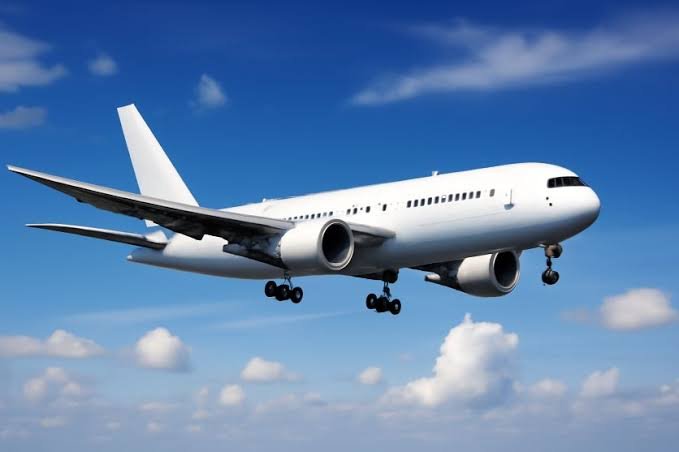
The delta flight dl636 diversion attracted significant attention after a routine journey from New York to Honolulu unexpectedly changed course. The flight was operating from John F. Kennedy International Airport to Honolulu when the aircraft diverted toward Los Angeles International Airport instead of continuing to Hawaii. The aircraft landed safely, but the unexpected change raised questions about the reason for the diversion and the safety procedures involved.
| Quick Information | Details |
|---|---|
| Flight Number | Delta Air Lines DL636 |
| Original Route | New York (JFK) to Honolulu (HNL) |
| Diversion Date | September 7, 2025 |
| Diversion Airport | Los Angeles International Airport (LAX) |
| Aircraft Reported | Boeing 767-300ER |
| Reported Registration | N1602 |
| Main Outcome | Aircraft landed safely |
| Reported Reason | Precautionary technical or operational concern |
Delta Flight DL636 Diversion: A Routine Journey Changes Course
The delta flight dl636 diversion occurred during a long domestic journey that normally connects New York with Honolulu. Public aviation reporting indicated that the flight departed from JFK and was expected to continue across the Pacific toward Hawaii. Instead, the aircraft altered its route and headed for Los Angeles, creating an unexpected interruption for passengers.
For travelers, a diversion can appear alarming because the destination suddenly changes during the journey. However, diversions are an established part of commercial aviation safety procedures. Flight crews may choose an alternate airport when operational, medical, weather-related, or technical circumstances make continued travel less desirable than landing for inspection or assistance.
Reports about the incident identified Los Angeles International Airport as the alternate destination selected by the crew. LAX offers extensive airport infrastructure, maintenance capabilities, emergency services, and onward travel connections. Those factors can make a major airport an appropriate choice when an aircraft requires an unscheduled landing.
The most important fact for passengers and aviation observers was that the aircraft landed safely. A diversion does not automatically mean that an aircraft was in immediate danger. In many situations, pilots choose to divert precisely because aviation procedures favor caution before a manageable issue becomes more complicated.
What Happened During the Delta Flight DL636 Diversion?
Available aviation reports indicate that Delta Flight DL636 was operating from New York to Honolulu on September 7, 2025. During the journey, flight tracking information showed the aircraft departing from its expected route and turning toward Los Angeles. The diversion brought the long flight to LAX rather than allowing it to continue toward Hawaii.
Several reports described the aircraft as a Boeing 767-300ER with registration N1602. The scheduled journey between JFK and Honolulu covers roughly 4,980 miles and typically requires nearly eleven hours. Because the route includes a substantial overwater segment, operational decisions made before continuing farther across the Pacific can carry particular importance.
Public reports differed somewhat in their description of the precise cause. Some accounts suggested a possible mechanical or technical concern, while other reports emphasized that the exact reason had not been immediately detailed in a public statement. Therefore, claims about a specific component failure should be treated carefully unless supported by an authoritative investigation or airline disclosure.
The delta flight dl636 diversion nevertheless followed the fundamental principle that governs airline safety decisions: when the crew determines that an alternate landing is the better operational choice, the flight can be redirected to a suitable airport. The safe arrival at LAX demonstrated that the diversion itself functioned as a precautionary measure rather than evidence of a catastrophic event.
Why Would a Flight Divert to Los Angeles?
Los Angeles International Airport is one of the most significant airports on the U.S. West Coast. Its location, operational capacity, maintenance resources, emergency response capabilities, and airline connectivity can make it a logical diversion airport for a flight traveling between the eastern United States and Hawaii.
For a long-range aircraft, the selection of an alternate airport depends on more than simple geographic proximity. Pilots and dispatch teams consider runway availability, weather, fuel requirements, airport services, maintenance support, medical resources, and the aircraft’s operational condition before confirming a diversion plan.
A major hub can also simplify passenger recovery after an unexpected landing. Airlines may arrange replacement aircraft, rebook travelers, provide updated travel information, and coordinate connections more effectively at a large airport. That operational capacity can reduce the overall disruption following an unscheduled landing.
The delta flight dl636 diversion therefore illustrates why an alternate airport does not need to be the closest airport on a map. Aviation professionals select an airport based on a combination of safety and operational factors. The chosen destination must provide the necessary resources for both the aircraft and the people on board.
Was the Delta Flight DL636 Diversion Caused by a Mechanical Issue?
The exact cause should be described cautiously because publicly available reports have not provided a fully consistent technical explanation. Several reports characterized the diversion as being related to a possible mechanical or technical issue, while other accounts stated that the specific reason was not immediately disclosed in detail.
One later report claimed that the aircraft experienced a hydraulic-system problem, but that specific explanation does not appear to be confirmed by a clearly identified official Delta or government investigation in the available sources reviewed for this article. For that reason, it is more accurate to describe the event as a reported technical or operational concern unless stronger official evidence becomes available.
This distinction matters because online aviation coverage can quickly transform an initial report into a widely repeated claim. Flight-tracking data can confirm that an aircraft changed direction and landed somewhere unexpected, but tracking information alone cannot establish exactly what occurred inside the aircraft’s systems or cockpit.
The safest conclusion is that the delta flight dl636 diversion was a precautionary operational event that resulted in a safe landing at LAX. Until a detailed official explanation is publicly available, highly specific claims about the underlying mechanical cause should not be presented as established fact.
How Flight Diversions Protect Passengers
Commercial aviation operates according to layers of redundancy and decision-making procedures. Pilots do not need to wait for a minor concern to develop into a major emergency before changing course. In many cases, the best safety decision is to land early at an airport where the aircraft can be inspected.
A diversion may result from a wide range of circumstances. These can include a technical warning, a medical emergency, severe weather, a security issue, airport conditions, or another operational factor. The crew evaluates available information while coordinating with air traffic control and airline dispatch personnel.
Passengers may experience the diversion as an inconvenience, especially when the flight is already several hours into a long journey. Yet the decision to interrupt a trip can reflect a deliberately conservative safety culture. Airlines generally prefer a controlled landing and inspection over unnecessary risk.
This is particularly relevant on routes involving extended travel over remote or oceanic areas. A crew may choose to divert while suitable airports and support services remain readily available. The delta flight dl636 diversion demonstrates how a route can be altered before a flight continues into a more demanding portion of its journey.
What Happened to Passengers After the Landing?
A diversion usually begins a second stage of airline operations known informally as recovery. Once passengers arrive at the alternate airport, the airline must address aircraft inspection, crew scheduling, passenger rebooking, baggage handling, and onward transportation.
Reports on DL636 indicated that the journey was adjusted after the aircraft reached Los Angeles, allowing passengers to continue toward Honolulu on an altered itinerary. The availability of a large airport can be particularly useful because replacement aircraft and airline personnel may be easier to arrange.
Passenger experience after a diversion can vary significantly depending on the cause and timing of the event. Some travelers may continue the same day, while others may face longer delays because of maintenance requirements, crew duty limits, or aircraft availability.
Airline communication becomes especially important during this stage. Travelers generally need accurate information about revised departure times, hotel arrangements when necessary, baggage, meal assistance, and connection changes. The operational challenge continues long after the diverted aircraft reaches the runway.
Why the Delta Flight DL636 Diversion Drew Attention
A flight between New York and Honolulu is already notable because of its length and operational complexity. When such a journey unexpectedly ends in Los Angeles, the route change becomes highly visible on flight-tracking platforms and social media.
Aviation enthusiasts often monitor aircraft movements in real time, which means an unusual turn can quickly attract public attention. However, the speed at which information spreads can also produce confusion. Early speculation may focus on mechanical failure, weather, medical emergencies, or other possible explanations before verified details emerge.
The delta flight dl636 diversion became an example of this information gap. The route change itself was widely observable, while the precise technical reason remained less clearly established in publicly available reporting. That difference between confirmed movement and unconfirmed explanation is important.
Travelers should therefore distinguish between verified facts and online speculation. A safe diversion to a major airport can be confirmed through operational records, but specific claims about aircraft systems should ideally come from the airline, regulators, investigators, or documented technical evidence.
Current Status of Delta Flight DL636 Operations
DL636 continues to be listed as a flight number associated with the New York JFK to Honolulu route, although flight schedules and individual operating days can change. Recent flight-tracking information showed the service operating on the JFK-HNL route during August 2026.
Flight numbers can remain in airline schedules even after a previous diversion or operational disruption. A single diversion does not necessarily indicate a permanent change to the route. Airlines routinely manage maintenance events, aircraft substitutions, weather disruptions, and schedule adjustments.
Travelers planning to use the service should check the current status directly through the airline or a reputable flight-tracking service before traveling. Historical information about one diversion should not be used to predict the status of a future departure.
The continued appearance of DL636 in flight-tracking records shows that the service remained associated with the JFK-to-Honolulu market after the 2025 diversion. Individual flight status, however, always depends on the specific operating date and real-time conditions.
What Travelers Can Learn From the Delta Flight DL636 Diversion
The delta flight dl636 diversion offers a useful reminder that an unexpected landing is not automatically a sign of disaster. Commercial aviation systems are designed to identify concerns, assess available options, and take conservative action when necessary.
Passengers can feel unsettled when a pilot announces that a flight will land somewhere other than the original destination. Nevertheless, the diversion process is supported by established procedures involving pilots, dispatchers, air traffic controllers, airport personnel, maintenance teams, and emergency responders.
For travelers, the best response is usually to follow crew instructions and wait for verified information. Airline staff may initially have limited details because the immediate priority is the safe completion of the landing and the assessment of the aircraft.
The event also highlights the value of major diversion airports. A location such as LAX can provide extensive support for a widebody aircraft and a large group of passengers. That infrastructure helps transform an unexpected operational problem into a controlled recovery process.
Final Thoughts on the Delta Flight DL636 Diversion
The delta flight dl636 diversion involved a JFK-to-Honolulu journey that changed course and landed safely at Los Angeles International Airport on September 7, 2025. Public reporting supports the safe diversion and subsequent passenger recovery, while the exact technical explanation should be treated with caution unless confirmed by authoritative sources.
The incident demonstrates an essential principle of modern aviation: a diversion can be a sign that safety systems and professional decision-making are working as intended. Choosing an alternate airport may interrupt a journey, but it allows crews to manage uncertainty in a controlled environment.
For passengers, the event is also a reminder that aviation decisions are based on changing operational conditions. Weather, aircraft systems, crew requirements, airport capabilities, and route geography can all influence whether continuing toward the planned destination remains the best choice.
Ultimately, the safe landing at LAX remains the central outcome. The delta flight dl636 diversion may have changed a routine trip into an unexpected aviation event, but it also showed why precautionary decisions remain an important part of protecting passengers and crew.
Read more: Manny Stul: The Remarkable Journey Behind Moose Toys